
The Thrive Approach

Supporting Every Child to Thrive
At Eling Infant School and Nursery, we believe children learn best when they feel safe, understood and emotionally secure. The Thrive Approach helps us support children's social and emotional development so they can feel confident, build positive relationships and engage successfully with learning.
Thrive is a whole-school approach which helps us understand and respond to children's emotional and developmental needs. It is based on research about child development, attachment and neuroscience and provides practical strategies to help children flourish both emotionally and academically.
What is Thrive?
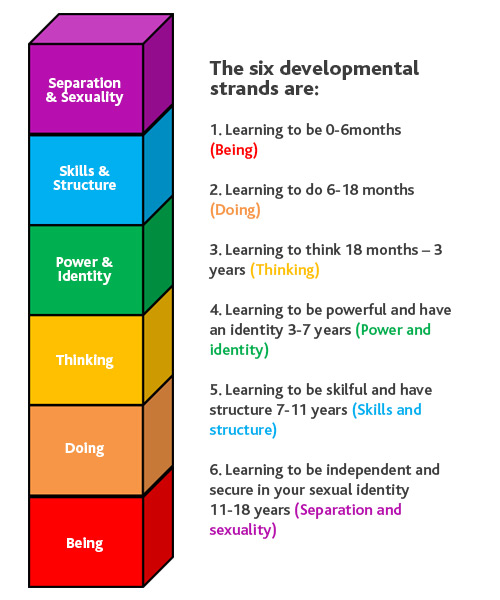
Thrive is a developmental approach that supports children's social and emotional wellbeing.
Just as children develop academic skills at different rates, they also develop social and emotional skills at different rates. Thrive helps staff identify where a child may need additional support and provides targeted activities and experiences to help them develop important life skills such as:
- Managing emotions
- Building self-confidence
- Developing resilience
- Forming positive relationships
- Coping with change
- Regulating behaviour
- Solving problems independently
The approach recognises that behaviour is a form of communication and seeks to understand what a child may be telling us through their actions.
What Does Thrive Look Like in School?
Thrive is woven throughout everyday school life and may include:
Whole School Support
- Positive relationships with trusted adults
- Emotionally supportive classrooms
- Visual routines and predictable structures
- Opportunities to talk about feelings
- Activities that promote wellbeing, confidence and resilience
Small Group Thrive Sessions
Some children may take part in regular small-group sessions focusing on:
- Friendship skills
- Turn-taking and cooperation
- Self-esteem
- Emotional regulation
- Communication skills
Individual Thrive Support
Some children may benefit from personalised Thrive sessions led by trained Thrive practitioners. These sessions are carefully planned around the child's strengths and areas of need.
Activities might include:
- Creative play
- Storytelling
- Art and craft activities
- Sensory activities
- Games designed to build confidence and emotional understanding

How Are Children Identified for Thrive Support?
Children may be identified through:
- Teacher observations
- Discussions with parents and carers
- Pastoral concerns
- Changes in behaviour or emotional wellbeing
- Significant life events
- Difficulties with relationships, confidence or emotional regulation
Not every child receiving Thrive support will have special educational needs. Thrive can benefit any child who needs additional emotional or social support at a particular time.
Working Together With Families
Parents and carers play a vital role in supporting children's emotional wellbeing.
We will always aim to work in partnership with families and, where appropriate, discuss:
- The support being provided
- Strategies that may help at home
- Progress being made
- Next steps for support
Open communication between home and school helps us provide the best possible support for each child.
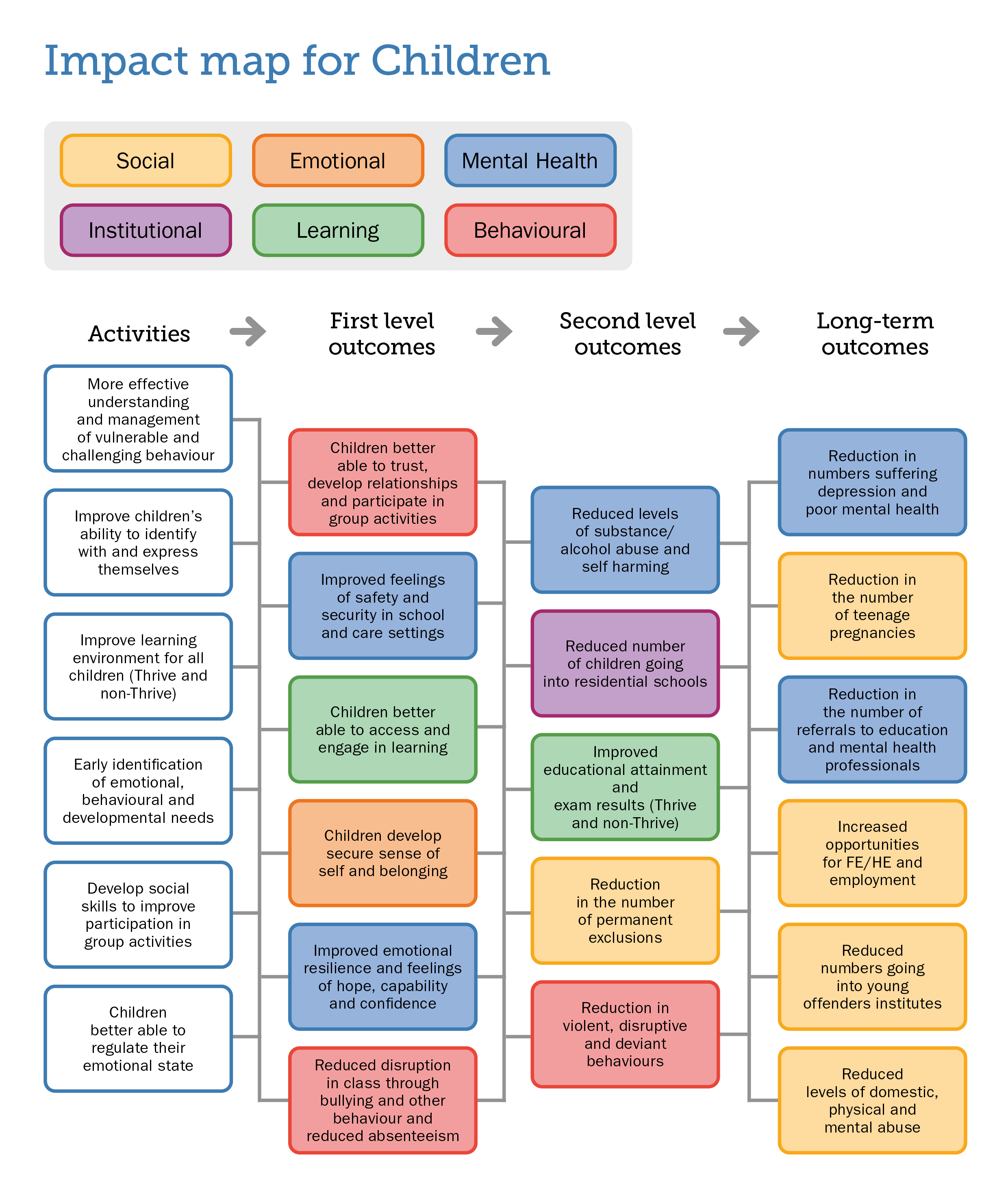
What Are the Benefits of Thrive?
Children who engage in Thrive support often show improvements in:
✓ Confidence and self-esteem
✓ Emotional regulation
✓ Friendships and social skills
✓ Independence
✓ Resilience
✓ Behaviour for learning
✓ Readiness to learn
Every child is different, and progress will look different for each individual.
Further Information
If you would like to know more about the Thrive Approach or discuss your child's wellbeing, please contact your child's class teacher or the school's SENDCo.
Together, we can help every child feel valued, connected and ready to thrive.